RMTAO Blog

Combining Massage Therapy and Kinesiology in Your Care
BlogImage
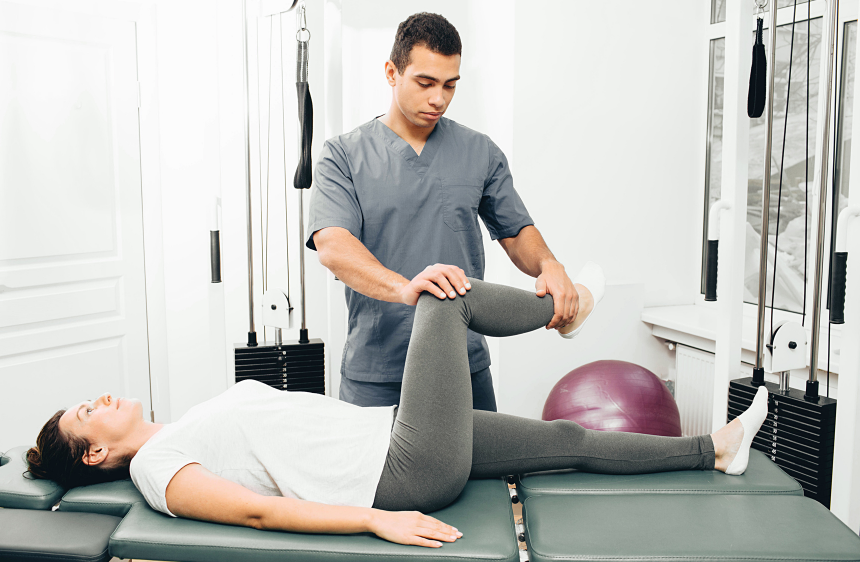
Kinesiologists and Registered Massage Therapists (RMTs) often help patients achieve similar goals. Kinesiologists are regulated health professionals in Ontario (governed by the College of Kinesiologists of Ontario) who focus on human movement, using an evidence-based approach to improving physical performance, preventing injury and managing chronic conditions. RMTs can help people with similar concerns. RMTs and Registered Kinesiologists (R.Kins) are often both treating the same patient, which makes it even more important for both professionals to understand how to work effectively together.
We interviewed three dual-registered Kinesiologists and RMTs to explore how their unique backgrounds can improve patient outcomes. Drawing on their experiences, we’ve compiled actionable advice to help you collaborate effectively with Kinesiologists in any practice setting.
Understanding When to Collaborate
There can be a lot of similarities in the scopes of practice and treatment approaches between RMTs and Kinesiologists. David Bedford, an RMT and former R.Kin, continues to collaborate with Kinesiologists by leveraging their complementary expertise to treat shared patients.
Many Kinesiologists are trained in bodywork, and RMTs are trained in remedial exercise, which he has found can lead to similar approaches. David notes that they differ primarily in their clinical focus rather than their techniques.
“No one expects to start lifting weights or do 10 minutes on a stationary bike when getting a massage. Exercise therapy is a huge part of kinesiology, but is often a smaller part of massage therapy,” David said.
Jessica Johnston, who is both an RMT and a Kinesiologist, sees close collaboration between RMTs and Kinesiologists in her clinic every day, especially when treating first responders. She recognized the overlap between professions. She found that the biggest overlap was the goals each profession has for its patients.
“Both disciplines aim to help patients move more comfortably and reduce physical strain,” Jessica said.
Drawing on her dual education, Jessica notes that Kinesiologists offer deeper training in exercise progression and neuromuscular activation. For example, kinesiologists are specifically trained to help patients reactivate underperforming muscles neurologically, progress exercise programs safely, and combine movement patterns to build strength and functional challenge over time.
Ivan Gadzic (RMT and R.Kin) has several years of experience working in a hospital-based outpatient clinic serving both referred patients and members of the public. This practice setting has allowed him the opportunity to treat patients under both professions and experience the high level of collaboration possible between the two professions.
Although remedial exercise is often a part of massage therapy practices, he’s found that working with a Kinesiologist helps RMTs focus on other areas.
“While the patient is being seen by both disciplines, the massage therapist can forgo assigning exercises and can spend more time doing the manual or hands-on parts of their role as the patient is certainly doing a lot of exercises with the Kinesiologist,” Ivan said.
When to Work Together
There are a lot of different situations in which working closely with a Kinesiologist would be beneficial for patient outcomes. It’s important to work together regularly, especially when you observe areas that can be more effectively treated by the other practitioner, and vice versa.
When a patient needs to prioritize exercise, close collaboration between RMTs and R.Kins is essential. David shares an example from his practice that highlights the impact of this joint approach. “I had a patient that I shared with an RMT while I was a Kinesiologist. I noted the patient had weakness in their obliques and hip flexors and recommended to the RMT (after asking if it was ok with the patient that I do so) to treat those areas,” David said. “In turn, my RMT colleague often did the same thing and made recommendations of body parts to train with the patient.”
Jessica highlighted the importance of combining manual therapy with guided movement and has found that it is most beneficial for RMTs to collaborate closely with Kinesiologists when patients struggle to follow through with remedial exercise programs on their own.
“Massage therapy can reduce symptoms and improve tissue quality, but long-term change typically requires movement and habit changes,” Jessica said. “When a patient works with a Kinesiologist, either through individualized exercise rehabilitation or structured group programming, it can significantly improve adherence and long-term outcomes.”
Ivan notes that for post-surgical patients, the combination of manual therapy and expert exercise guidance is particularly effective, making it a key area for RMT and R.Kin collaboration. “The active portion with the Kinesiologist helps with regaining strength, mobility and coordination, while the passive portion with the RMT reduces swelling, pain, and also helps with mobility,” Ivan said.
How to Collaborate Effectively
Collaboration between RMTs and Kinesiologists has a variety of benefits, including potentially improved patient outcomes such as reduced pain and improved range of motion. These dual registrants, in addition to identifying situations where this collaboration is most beneficial, have provided insights into how RMTs can make this collaboration as successful as possible.
Effective communication is essential for successful collaboration. David has found that within a patient’s circle of care, a simple exchange of clinical observations and treatment recommendations is often all that's required to align care.
Jessica found that the communication between professionals often happens indirectly through the patient rather than through direct professional dialogue. She recommends strengthening direct communication between providers in order to improve continuity of care and allow exercise programs to more precisely address what is being identified during treatment sessions. She also found that communication is most effective when focused on specific areas.
“Effective communication between an RMT and a Kinesiologist should focus on identifying postural patterns, mobility restrictions, and movement limitations that can be addressed through both treatment and exercise,” Jessica said. “Ideally, the RMT can share observations about areas of tension, compensation, or restricted movement, while the Kinesiologist integrates that information into targeted exercise programming.”
In addition to regular opportunities for communication, Ivan emphasized that it’s important for both practitioners to re-assess the patient prior to changing their treatment and accurately document their findings and changes to the treatment plan to allow the other practitioner to be up-to-date in between in-person discussions.
“Early discussions help establish shared understanding of the patient’s goals and limitations, while ongoing updates ensure both the Kinesiologists and RMT are aligned as the patient progresses,” Ivan said. “Dedicating time for these discussions (such as during weekly clinic rounds) is very helpful in facilitating effective communication, as busy schedules can make it very challenging to find time.”
Collaboration thrives on mutual input. David suggests focusing on how each professional’s unique skills support the other, noting: “Focus on the positive contributions from each profession and how they are complementary.”
Jessica finds the biggest barrier to collaboration is a lack of access. Since Kinesiologists are less widely recognized by insurers in Ontario, they can sometimes be harder to find than other regulated health professionals in clinical settings. She recommends that RMTs interested in collaborating more closely with Kinesiologists look for Kinesiologists working in multidisciplinary clinics or fitness facilities.
“Open conversations about shared patient goals, mutual referrals, and collaborative care approaches can help build those professional relationships over time,” Jessica said.
Once you’ve identified potential partners, Ivan suggests meeting to align on patient care. “Discuss the specific services each practitioner provides and map out progressions for your shared patients,” he advises. By communicating openly and focusing on the contributions that can be made by each practitioner, you can build strong relationships between RMTs and Kinesiologists for the benefit of your mutual patients.
Conclusion
A collaborative relationship between RMTs and Kinesiologists is a natural fit for musculoskeletal recovery. Although geographic or institutional barriers can make connecting a challenge, the effort to bridge that gap is well worth it. Using the advice from these dual-registrants, you can begin to foster strong professional relationships that go beyond simple referrals. Ultimately, a unified approach between manual therapy and movement science is what helps patients return to their regular function and stay there.